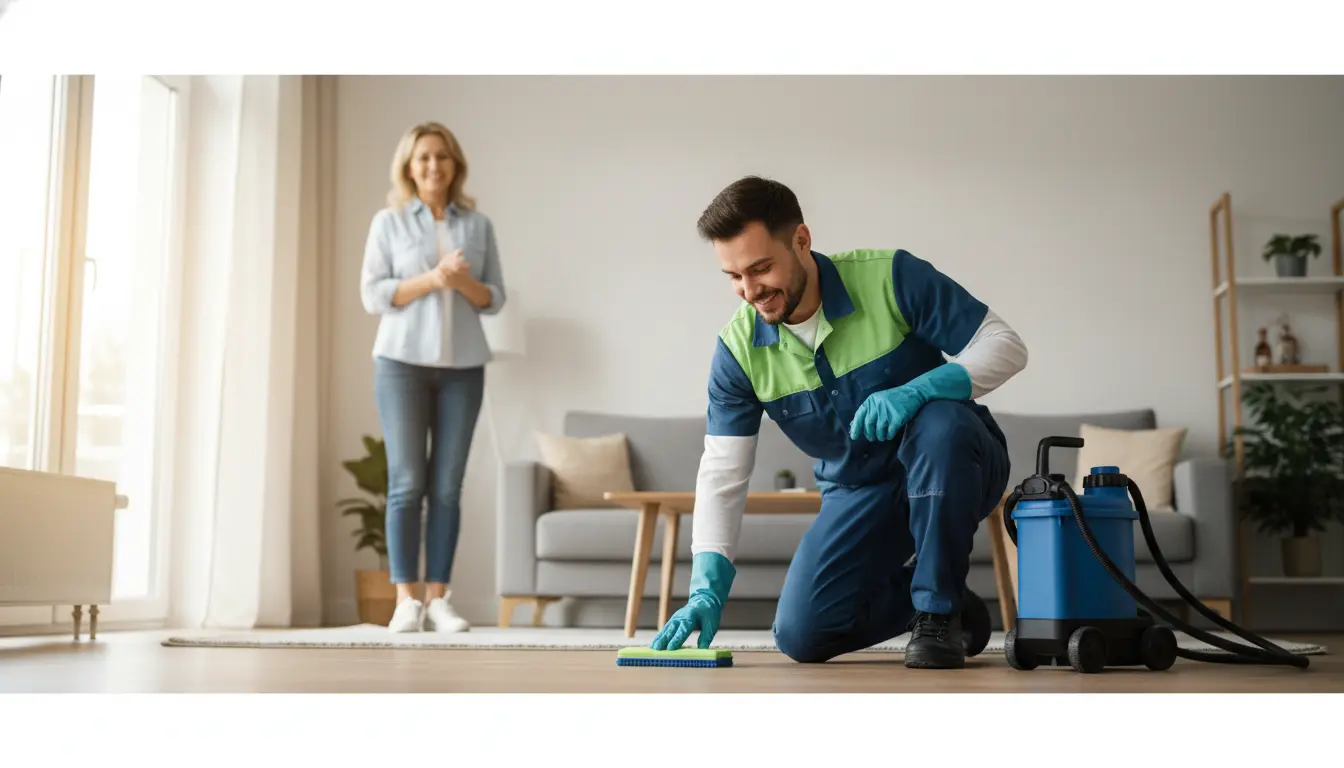
Traumatic incidents in apartment buildings can have severe and long-lasting consequences for those involved, making it crucial to understand what to do immediately after such an event. A traumatic incident, in this context, refers to any event that results in significant physical harm or death, such as a violent crime, suicide, or accidental death. It is essential to distinguish this from a non-traumatic incident, which may not involve bodily harm or the risk of biohazardous materials.
The importance of immediate and appropriate action following a traumatic incident cannot be overstated, especially in a high-humidity environment like Miami, FL, where biological decomposition and the spread of infectious diseases can be accelerated. In such scenarios, professional trauma cleanup services are not just a convenience but a necessity to ensure the health and safety of everyone involved. Miami Trauma Cleanup, with its expertise in biohazard remediation and commitment to legal compliance, stands out as a premier service provider in the area.
Understanding the risks associated with traumatic incidents and the importance of professional cleanup is the first step towards mitigating the consequences of such events. For those in Miami, FL, and surrounding areas, having a resource like Miami Trauma Cleanup can make all the difference in navigating the aftermath of a traumatic incident. Their expertise in handling biohazardous materials, compliance with OSHA and EPA regulations, and compassionate approach to their work underscore the value of seeking professional help in these situations.
Technical Process of Trauma Cleanup
The technical process of trauma cleanup involves several critical steps, each designed to ensure that the area is thoroughly sanitized and safe for habitation. The process begins with a hazard assessment to identify potential biohazards, followed by containment to prevent the spread of these hazards. Biological material removal is then conducted, using specialized equipment and personal protective equipment (PPE) to minimize risk to the cleanup team.
After removal, hospital-grade disinfection is applied to all surfaces, paying special attention to areas that may have come into contact with biohazardous materials. This step is crucial for eliminating pathogens and preventing the spread of infectious diseases. Odor remediation may also be necessary, utilizing technologies such as ozone generators or hydroxyl machines to break down and eliminate organic odors at a molecular level. Finally, clearance testing, often involving ATP fluorescence testing, is performed to ensure that the area meets safety standards for human occupancy.
Miami’s environmental conditions, including its high humidity and ambient temperature, can significantly impact the cleanup process. For instance, these conditions can accelerate the growth of bacteria and other microorganisms, making timely and effective cleanup even more critical. Moreover, the use of certain equipment, such as dehumidifiers, may be necessary to control the environment and enhance the efficacy of the cleanup process.
Data Comparison
When considering the effectiveness and importance of professional biohazard remediation, it’s helpful to compare it against standard janitorial or DIY cleaning methods. The following table highlights key differences in pathogen eradication, legal compliance, and the ability to penetrate sub-surface areas where biohazards may reside.
| Feature/Metric | Professional Remediation | Standard Cleaning |
|---|---|---|
| Pathogen Eradication | 99.99% effective against a broad spectrum of pathogens | Variable efficacy, often less than 90% against certain pathogens |
| Legal/OSHA Compliance | Full compliance with OSHA bloodborne pathogen standard 29 CFR 1910.1030 | Often non-compliant, lacking proper training and equipment |
| Sub-surface Penetration | Able to penetrate and remediate biohazards in sub-surface areas | Generally ineffective against sub-surface biohazards |
Source: OSHA Bloodborne Pathogen Standard 29 CFR 1910.1030
Expert Insights
Handling traumatic incidents requires a deep understanding of biohazard remediation principles and the practical application of these principles in real-world scenarios. For example, the choice between enzymatic cleaners and standard bleach is critical, as enzymatic cleaners can break down protein-based biohazards more effectively, reducing the risk of lingering odors and health hazards.
Moreover, preventing airborne pathogen spread is a key consideration. This can be achieved through the use of HEPA filtration systems and ensuring that all cleaning and remediation activities are conducted in a manner that minimizes aerosolization of potential pathogens. Understanding these nuances and applying them correctly can significantly impact the safety and efficacy of the cleanup process.
Common mistakes made by property owners include attempting to clean up biohazardous materials themselves, which can lead to cross-contamination and increased health risks, and ignoring subfloors or baseboards, where biohazards can persist and cause ongoing issues. These mistakes can have severe consequences, including the spread of infectious diseases, lingering bio-odors, and significant financial liabilities.
Pricing and Cost Factors
The cost of professional trauma cleanup services can vary widely, depending on several key factors. These include the extent of the incident, the amount of biological fluid present, the presence of hoarding or other complicating factors, and the need for structural tear-outs or other invasive procedures.
Costs can be broken down into several components, including hourly rates for technicians, biohazard waste disposal fees, and costs associated with equipment and materials. In many cases, homeowners insurance will cover these services, as they are considered necessary for restoring the property to a safe condition.
- Hourly rates per technician can range from $100 to $300 per hour, depending on the level of expertise and the equipment required.
- Biohazard waste disposal fees can add significant costs, often in the range of $500 to $2,000 or more, depending on the volume of waste.
- Structural tear-outs, if necessary, can be one of the most costly components, with prices ranging from $1,000 to $10,000 or more, depending on the extent of the work required.
Safety and Standards
Safety is paramount in the context of trauma cleanup, and adherence to specific certifications and protocols is essential. The American Bio Recovery Association (ABRA) certification is a benchmark of excellence in this field, indicating that a service provider has the training, equipment, and expertise to handle biohazardous situations safely and effectively.
OSHA protocols, particularly the bloodborne pathogen standard 29 CFR 1910.1030, provide a framework for ensuring that cleanup activities are conducted in a manner that minimizes risk to workers and occupants. The use of EPA-registered, hospital-grade disinfectants is also critical, as these products have been proven effective against a broad spectrum of pathogens, including those that can cause severe health risks.
FAQs
What is the typical timeframe for completing a trauma cleanup?
The timeframe for completing a trauma cleanup can vary significantly, depending on the complexity of the incident, the size of the affected area, and the amount of biological material present. In some cases, cleanup can be completed within a few hours, while more complex scenarios may require several days or even weeks to fully remediate.
Is trauma cleanup covered by insurance?
In many cases, yes, trauma cleanup is covered by homeowners insurance, as it is considered a necessary service for restoring the property to a safe condition after a traumatic incident. However, the specific terms of coverage can vary widely depending on the policy, so it’s essential to review your insurance coverage and discuss your situation with your provider.
How do I choose the right trauma cleanup service?
Choosing the right trauma cleanup service involves considering several factors, including the service provider’s experience, certifications (such as ABRA), adherence to OSHA and EPA protocols, and their approach to compassion and discretion. It’s also important to ensure that the service is fully insured and capable of handling the specific needs of your situation.
What safety precautions should I take if I encounter a traumatic incident?
If you encounter a traumatic incident, it’s crucial to prioritize your safety and the safety of others. Avoid entering the affected area if possible, and do not attempt to clean up any biohazardous materials yourself. Instead, contact local authorities and a professional trauma cleanup service immediately. If you must enter the area, wear protective clothing, including gloves, a mask, and eye protection, to minimize your risk of exposure.
Professional Trauma Cleanup in Miami, FL
In conclusion, the aftermath of a traumatic incident in an apartment building requires immediate, professional, and compassionate attention. Miami Trauma Cleanup, with its expertise in biohazard remediation, commitment to safety and legal compliance, and understanding of the unique challenges presented by Miami’s environment, is the premier choice for those in need of these critical services. By prioritizing safety, efficacy, and discretion, Miami Trauma Cleanup helps individuals and communities navigate the difficult process of recovery, providing a foundation for healing and rebuilding.