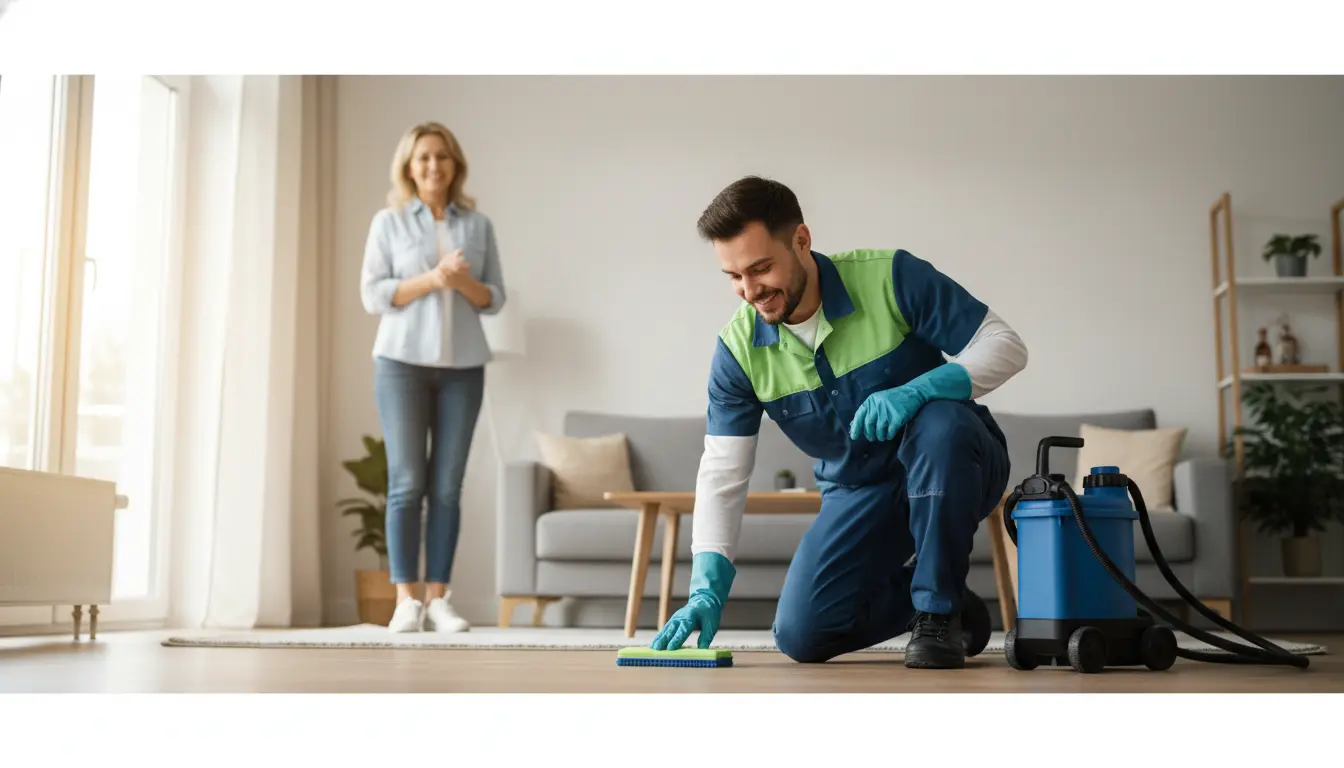
Trauma cleanup, also known as biohazard remediation, refers to the process of safely and effectively removing and disposing of biological substances, such as blood, bodily fluids, and other potentially infectious materials, from a crime scene, accident site, or other traumatic event location. It is often confused with standard cleaning or janitorial services, but trauma cleanup requires specialized training, equipment, and expertise to ensure the safe and legal removal of biohazards. In Miami, FL, the high humidity and extreme heat can accelerate the decomposition process, making prompt and professional trauma cleanup crucial to prevent the spread of infectious diseases and ensure a safe environment for occupants.
Miami Trauma Cleanup is the premier provider of trauma cleanup services in Miami, FL, offering compassionate, discreet, and legally compliant biohazard remediation solutions to property owners, managers, and individuals in need. With a deep understanding of the unique challenges posed by Miami’s environmental conditions, our team of certified professionals is equipped to handle even the most complex trauma cleanup scenarios. By choosing Miami Trauma Cleanup, clients can trust that their property will be restored to a safe and healthy state, while also ensuring compliance with all relevant regulations and standards.
The importance of professional trauma cleanup in Miami, FL, cannot be overstated. The risks associated with biohazard exposure are very real, and the consequences of inadequate or improper cleanup can be severe. From the transmission of bloodborne pathogens to the development of long-term health problems, the potential hazards of trauma scenes demand a specialized and expert response. At Miami Trauma Cleanup, we are committed to providing the highest level of service, ensuring that our clients receive the care, attention, and expertise they need to navigate even the most difficult situations.
Trauma Cleanup Process
The trauma cleanup process typically begins with a thorough hazard assessment, during which our team evaluates the scene to identify potential biohazards, assess the extent of the contamination, and determine the necessary remediation protocols. This assessment is critical in ensuring that all affected areas are properly addressed and that the risk of cross-contamination is minimized. Once the assessment is complete, our team will establish a containment perimeter to prevent the spread of biohazards and ensure a safe working environment.
Next, our team will remove all biological materials, including blood, bodily fluids, and other potentially infectious substances, using specialized equipment and personal protective gear. This removal process is typically followed by a thorough cleaning and disinfection of all surfaces, using hospital-grade disinfectants and EPA-registered cleaning solutions. In addition to these measures, our team may also employ advanced technologies, such as ozone generators or hydroxyl machines, to eliminate odors and ensure a comprehensive sanitization of the affected area.
Throughout the remediation process, our team will conduct regular testing, including ATP fluorescence testing, to verify the effectiveness of our cleaning and disinfection protocols. This testing ensures that all surfaces have been properly sanitized and that the risk of biohazard exposure has been eliminated. Finally, our team will conduct a thorough clearance inspection to ensure that the property has been restored to a safe and healthy state, and that all necessary documentation and certification have been provided to the client.
Comparison of Professional Remediation and Standard Cleaning
While standard cleaning or janitorial services may appear to be a cost-effective alternative to professional trauma cleanup, the risks associated with inadequate or improper biohazard removal far outweigh any potential savings. The following table highlights the key differences between professional remediation and standard cleaning:
| Feature/Metric | Professional Remediation | Standard Cleaning |
|---|---|---|
| Pathogen Eradication | 99.99% effective against bloodborne pathogens | May not effectively eradicate all pathogens |
| Legal/OSHA Compliance | Ensures compliance with all relevant regulations and standards | May not ensure compliance with all relevant regulations and standards |
| Sub-surface Penetration | Effectively addresses sub-surface contamination | May not effectively address sub-surface contamination |
Source: OSHA Bloodborne Pathogen Standard 29 CFR 1910.1030
Expert Insights
As certified professionals in the field of trauma cleanup, we have encountered a wide range of situations and challenges. One of the most critical factors in ensuring effective remediation is the proper handling of porous vs. non-porous materials. Porous materials, such as carpets and upholstery, can harbor biohazards and require specialized cleaning and disinfection protocols. In contrast, non-porous materials, such as hardwood floors and metal surfaces, can be effectively cleaned and disinfected using standard cleaning solutions.
Another key consideration in trauma cleanup is the use of enzymatic cleaners vs. standard bleach. Enzymatic cleaners are specifically designed to break down and digest protein-based substances, such as blood and bodily fluids, and are often more effective than bleach in eliminating odors and ensuring a comprehensive sanitization of the affected area. However, enzymatic cleaners may not be suitable for all surfaces and require careful selection and application to ensure effective results.
In addition to these considerations, it is also important to prevent airborne pathogen spread during the remediation process. This can be achieved through the use of HEPA filtration systems, negative air machines, and other technologies designed to capture and eliminate airborne pathogens. By taking these precautions, our team can minimize the risk of cross-contamination and ensure a safe working environment for all parties involved.
Pricing
The cost of trauma cleanup services can vary widely, depending on a range of factors, including the size and complexity of the scene, the type and extent of the contamination, and the necessary remediation protocols. Some of the key factors that influence pricing include:
- Hourly rates per technician, which can range from $100 to $300 per hour, depending on the level of expertise and the necessary equipment and personal protective gear.
- Biohazard waste disposal fees, which can range from $500 to $2,000 or more, depending on the volume and type of waste generated.
- Structural tear-out costs, which can range from $1,000 to $10,000 or more, depending on the extent of the damage and the necessary repairs.
It is also important to note that homeowners insurance frequently covers trauma cleanup services, and our team will work closely with clients to ensure that all necessary documentation and certification are provided to support insurance claims.
Safety and Standards
FAQs
What is the typical turnaround time for trauma cleanup services?
The typical turnaround time for trauma cleanup services can vary, depending on the size and complexity of the scene, as well as the necessary remediation protocols. In general, our team can complete most trauma cleanup projects within 24 to 48 hours, although more complex scenes may require additional time and resources. We will work closely with clients to ensure that all necessary documentation and certification are provided to support insurance claims and ensure a safe and healthy environment for occupants.
Are trauma cleanup services covered by homeowners insurance?
What is the difference between trauma cleanup and standard cleaning?
Trauma cleanup, also known as biohazard remediation, refers to the process of safely and effectively removing and disposing of biological substances, such as blood, bodily fluids, and other potentially infectious materials, from a crime scene, accident site, or other traumatic event location. Standard cleaning, on the other hand, refers to the routine cleaning and disinfection of surfaces and areas. While standard cleaning may appear to be a cost-effective alternative to professional trauma cleanup, the risks associated with inadequate or improper biohazard removal far outweigh any potential savings.
Can I perform trauma cleanup myself?
No, it is not recommended that individuals attempt to perform trauma cleanup themselves. Trauma cleanup requires specialized training, equipment, and expertise to ensure the safe and legal removal of biohazards. Inadequate or improper cleanup can result in serious health risks, including the transmission of bloodborne pathogens and the development of long-term health problems. At Miami Trauma Cleanup, our team of certified professionals is equipped to handle even the most complex trauma cleanup scenarios, and we recommend that clients seek our expertise to ensure a safe and healthy environment for occupants.
Professional Trauma Cleanup in Miami, FL
In conclusion, trauma cleanup is a critical service that requires specialized training, equipment, and expertise to ensure the safe and legal removal of biohazards. At Miami Trauma Cleanup, we are committed to providing the highest level of service, ensuring that our clients receive the care, attention, and expertise they need to navigate even the most difficult situations. With our team of certified professionals, state-of-the-art equipment, and commitment to safety and compliance, we are the premier provider of trauma cleanup services in Miami, FL. If you are in need of trauma cleanup services, please do not hesitate to contact us at [Insert Link Here]. We are here to help and are committed to ensuring a safe and healthy environment for all our clients.