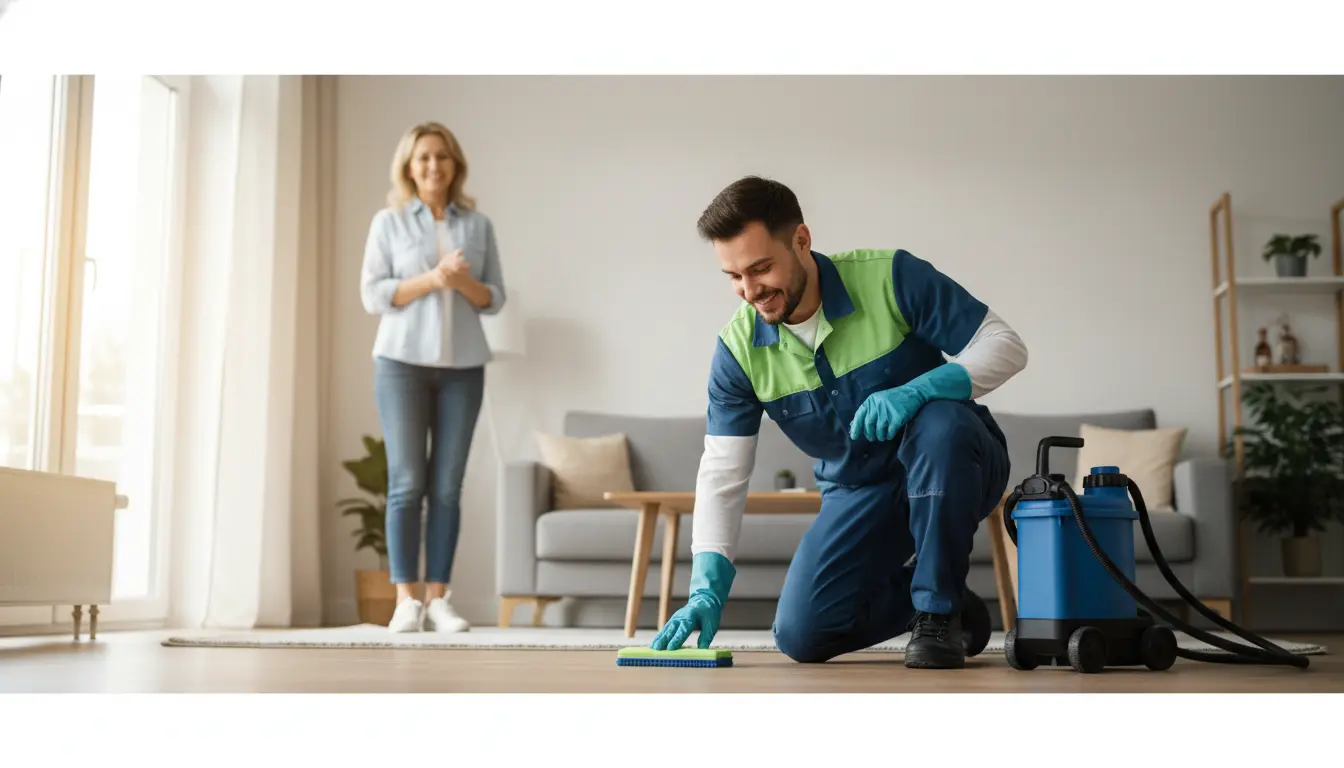
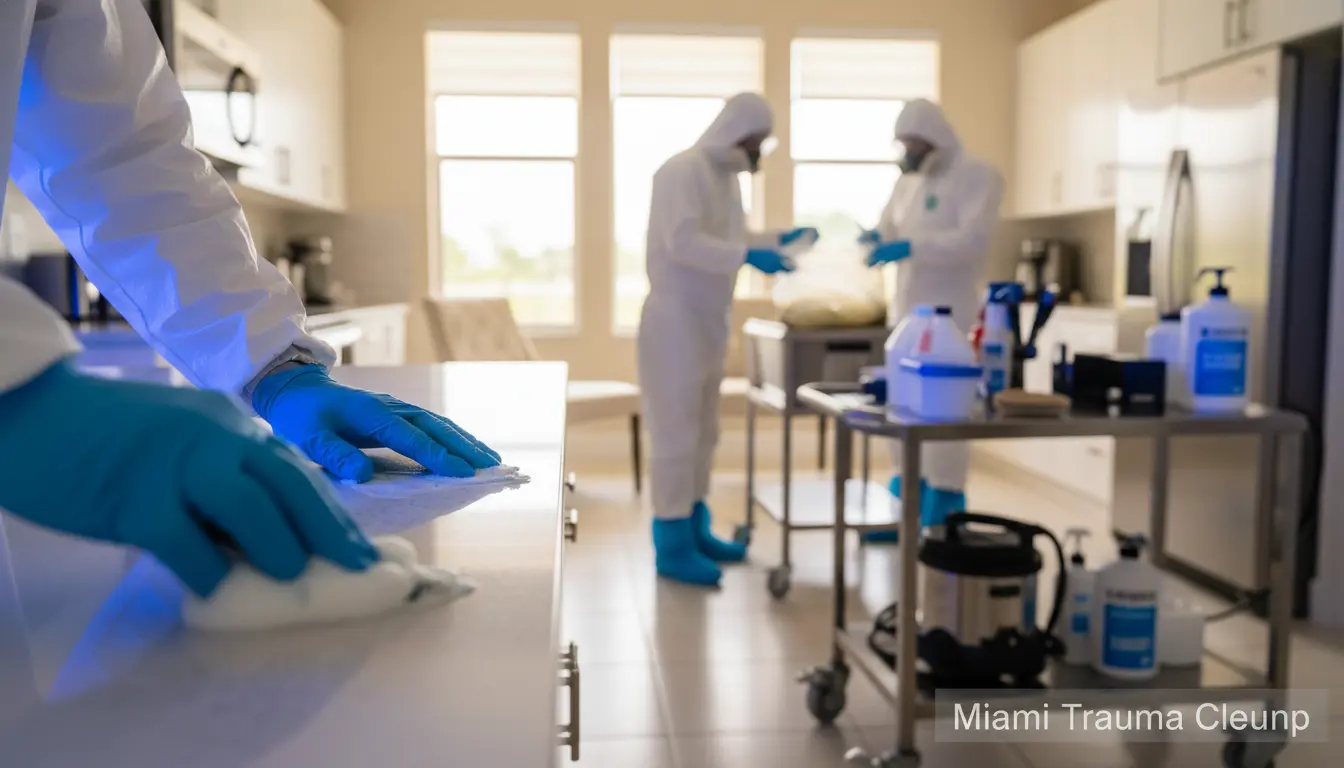
In the vibrant yet unpredictable landscape of South Florida, where the sun-soaked streets of Miami buzz with life, emergencies can strike without warning. From tragic accidents to unattended deaths, biohazard situations demand immediate, professional attention. If you’ve ever wondered how to handle such delicate matters safely, you’re in the right place. This ultimate guide from Miami Trauma Cleanup explores everything you need to know about biohazard cleanup in South Florida, tailored to the unique challenges of our coastal region. Whether you’re a homeowner in Brickell or a property manager in Aventura, understanding biohazard protocols can protect your health and property.
Biohazards—think blood, bodily fluids, or infectious materials—pose serious risks if not handled correctly. As South Florida’s trusted trauma cleanup experts, Miami Trauma Cleanup has years of experience restoring safety to affected spaces. Let’s dive into the essentials, from identification to restoration, so you can navigate these tough scenarios with confidence.
Understanding Biohazards in South Florida
South Florida’s humid climate and dense population amplify the urgency of biohazard cleanup. High temperatures can accelerate bacterial growth, turning a minor incident into a major health hazard. Biohazards include anything contaminated with pathogens, such as blood from accident scenes or fluids from traumatic events.
Common Types of Biohazards
Biohazards aren’t one-size-fits-all. Here are the most prevalent in our area:
- Bloodborne Pathogens: From injuries or violence, these require specialized handling to prevent diseases like hepatitis.
- Unattended Death Scenes: In Miami’s bustling neighborhoods like Coconut Grove, decomposition can lead to severe contamination.
- Infectious Waste: Medical or chemical spills that demand infectious material disposal.
Local factors, like frequent flooding in Cutler Bay, can mix water with biohazards, creating mold and bacterial hotspots. Recognizing these early is key to mitigation.
Why Professional Biohazard Cleanup is Essential
DIY attempts at biohazard cleanup often backfire. Without proper training and equipment, you risk exposure to harmful substances. In South Florida, where regulations are strict due to our proximity to ports and hospitals, non-compliance can lead to fines or health issues.
Professionals like Miami Trauma Cleanup follow OSHA and EPA guidelines, ensuring thorough decontamination. Our team uses PPE, industrial-grade disinfectants, and HEPA vacuums to eliminate 99.9% of pathogens. For instance, in suicide cleanup assistance, emotional sensitivity pairs with technical expertise to restore peace of mind.
Health and Legal Risks of Improper Cleanup
Skipping pros can spread diseases or violate biohazard laws. In Miami, improper trauma waste removal might contaminate waterways, affecting our delicate ecosystem. Always prioritize certified services to avoid these pitfalls.
Step-by-Step Guide to Biohazard Cleanup Process
Wondering what happens after you call for help? Here’s a breakdown of our streamlined process at Miami Trauma Cleanup, optimized for South Florida’s fast-paced environment.
Step 1: Assessment and Containment
Upon arrival, we secure the scene. In humid Miami, containment prevents airborne spread. We evaluate the extent—whether it’s a small spill in a Miami Beach condo or a larger homicide scene decontamination in an urban apartment.
Practical Tip: If you’re first on the scene, avoid touching anything. Evacuate and call (305) 419-9128 immediately for a rapid response.
Step 2: Safe Removal and Disposal
We use biohazard bags and sealed containers for waste. Everything goes to licensed facilities, complying with Florida’s environmental standards. For infectious materials, we employ neutralization agents to render them harmless.
Actionable Advice: Document the incident with photos (from a safe distance) for insurance purposes, but never interfere with evidence if law enforcement is involved.
Step 3: Thorough Cleaning and Disinfection
Surfaces get scrubbed with hospital-grade cleaners. In South Florida’s salty air, we apply anti-corrosive treatments to prevent future damage. Odor neutralization is crucial—enzymes break down organic residues that cause smells.
Local Insight: Miami’s limestone structures absorb contaminants easily, so we use penetrating disinfectants to reach deep.
Step 4: Restoration and Verification
Finally, we restore the space to pre-incident condition. Air quality tests confirm safety before handover. This might include repainting or carpet replacement for full normalcy.
Pro Tip: Opt for antimicrobial sealants in high-moisture areas like bathrooms to deter future biohazards.
Practical Tips for Preventing and Preparing for Biohazards
Prevention is better than cleanup. In South Florida’s active lifestyle, accidents happen—here’s how to stay ahead.
- Home Safety Measures: Install non-slip mats in wet areas and secure medications to avoid overdoses. For families in Brickell, childproofing is vital.
- Emergency Kit Essentials: Keep gloves, masks, and absorbent materials handy, but remember, these are stopgaps—call pros for real threats.
- Insurance Check: Review policies for biohazard coverage. Many Miami homeowners overlook this, leading to out-of-pocket costs.
Actionable Advice: Schedule annual property inspections, especially if you live near busy roads in Aventura, to identify risks early.
For businesses, train staff on basic protocols. In tourism-heavy spots like Miami Beach, quick response plans can minimize disruptions.
Navigating Biohazards in Miami’s Unique Environment
Miami’s tropical climate means biohazards evolve quickly. Hurricane season can scatter debris, mixing it with contaminants. Our team at Miami Trauma Cleanup is 24/7 ready, understanding local nuances like coral reef protections that influence disposal.
In urban areas like Coconut Grove, tight spaces complicate access, so we use compact equipment. For suburban Cutler Bay, we focus on discreet operations to respect privacy.
Tip: During events like Art Basel, heightened crowds increase accident risks—have contacts like ours on speed dial.
FAQ: Common Questions About Biohazard Cleanup
What Should I Do Immediately After Discovering a Biohazard?
Leave the area, ventilate if safe, and contact Miami Trauma Cleanup at (305) 419-9128. Do not attempt cleanup yourself to avoid health risks.
How Long Does Biohazard Cleanup Take in South Florida?
It varies—small jobs in 4-6 hours, larger ones up to a day. Humidity can extend drying times, but we prioritize efficiency.
Is Biohazard Cleanup Covered by Insurance?
Often yes, under property damage or liability. We assist with claims; contact your provider to confirm.
Can I Be Present During the Cleanup Process?
For safety, we recommend staying away, but we can update you remotely. Privacy is paramount in sensitive cases.
What Certifications Should a Biohazard Company Have?
Look for IICRC, OSHA, and EPA compliance. Miami Trauma Cleanup meets all, ensuring top-tier service.
Conclusion: Trust Miami Trauma Cleanup for Peace of Mind
Biohazard cleanup in South Florida doesn’t have to be overwhelming. With the right knowledge—from assessing risks to choosing pros like us—you can safeguard your home or business. At Miami Trauma Cleanup, we’re committed to compassionate, efficient service across Miami and beyond. Don’t let a crisis linger; call (305) 419-9128 today for a free consultation and reclaim your space safely.