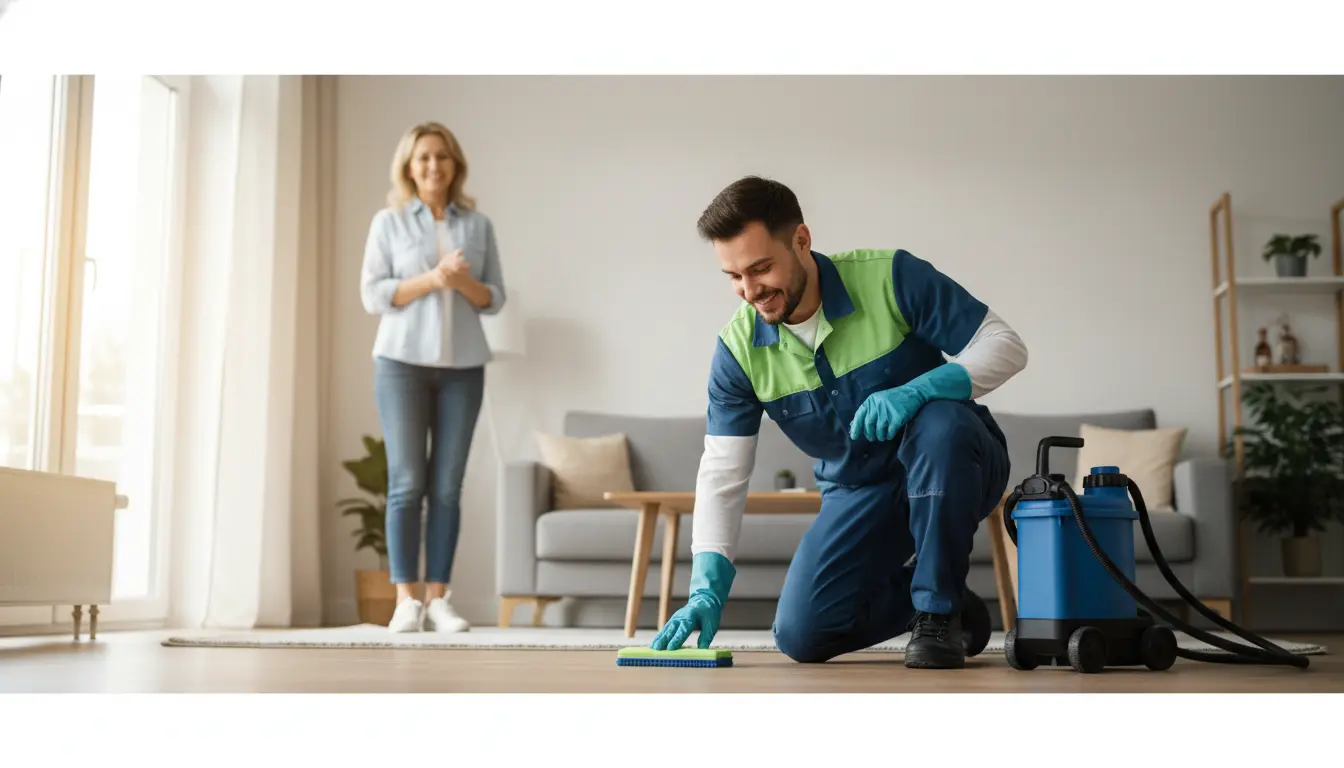
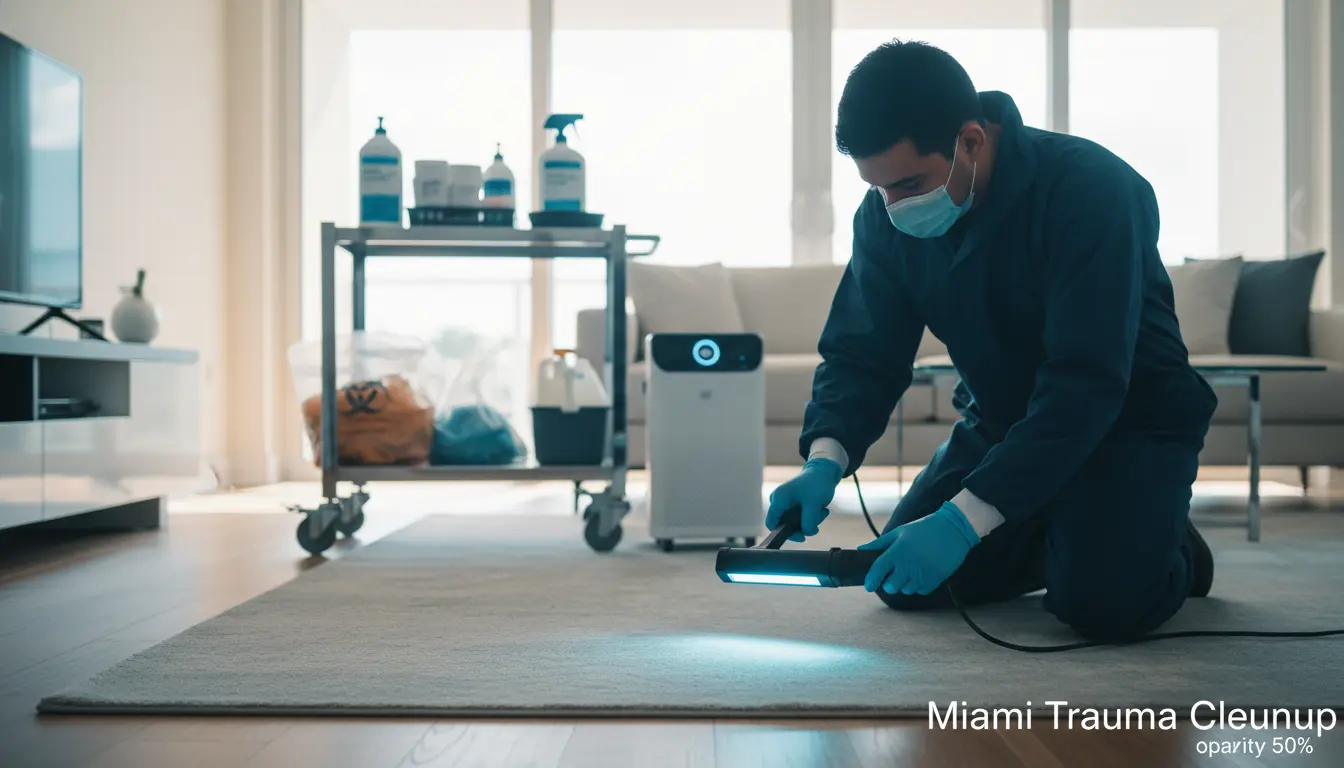
Dealing with a crime scene in the vibrant, sun-soaked city of Miami can be overwhelming. From the bustling streets of Little Havana to the serene neighborhoods of Coconut Grove, tragic incidents happen unexpectedly, leaving behind not just emotional scars but hazardous biohazards that demand immediate attention. As a resident or property owner in South Florida, understanding how to approach crime scene cleanup is crucial for safety and compliance with local regulations. At Miami Trauma Cleanup, we’ve helped countless families and businesses navigate these difficult situations with compassion and expertise. In this guide, we’ll share our top 7 tips to help you handle crime scene cleanup effectively, ensuring your space is restored safely and swiftly.
Whether it’s a residential property in Aventura or a commercial site in North Miami Beach, proper cleanup isn’t just about aesthetics—it’s about protecting public health amid Miami’s tropical environment, where heat and humidity can accelerate bacterial growth. Let’s dive into these practical strategies.
Tip 1: Prioritize Safety with Personal Protective Equipment (PPE)
The first and foremost step in any crime scene cleanup is ensuring your safety. Miami’s warm climate can make protective gear feel cumbersome, but skipping it is never an option. Always don full-body suits, gloves, masks, and eye protection to shield against bloodborne pathogens and airborne contaminants.
Why PPE Matters in Miami
In a city like Miami, where temperatures often soar above 90°F, sweat can compromise barriers, so opt for breathable yet durable materials. Our team at Miami Trauma Cleanup emphasizes starting with a risk assessment—identify potential hazards like sharp objects or chemical residues before entering the scene. If you’re not equipped, call professionals immediately to avoid exposure to diseases such as hepatitis or HIV.
For specialized forensic cleaning procedures, which involve meticulous evidence preservation, PPE is non-negotiable. Remember, local health codes in Miami-Dade County mandate this level of protection to prevent secondary contamination.
Tip 2: Secure the Area and Notify Authorities
Before touching anything, secure the crime scene to preserve evidence and prevent unauthorized access. In Miami’s dense urban areas, this might mean cordoning off entrances in high-traffic spots like Cutler Bay.
Steps for Securing the Site
- Contact law enforcement if not already done—cleanup can’t begin until the scene is released.
- Use caution tape or barriers to restrict entry.
- Document the scene with photos for insurance and legal purposes.
Miami Trauma Cleanup often coordinates with local police departments, ensuring compliance while minimizing disruption. Delaying this step can lead to legal issues or further contamination, especially in humid conditions that promote mold growth alongside biohazards.
Tip 3: Handle Biohazardous Materials with Care
Crime scenes involve blood, bodily fluids, and tissues— all classified as biohazards. Improper handling can spread infections, particularly in Miami’s moisture-laden air.
Safe Disposal Practices
Never pour liquids down drains; instead, use absorbent materials to contain them. For infectious material disposal, seal waste in red biohazard bags and transport to certified facilities. In South Florida, regulations require EPA-approved methods to avoid environmental harm to our sensitive ecosystems, like the Everglades nearby.
If the scene involves unattended deaths, which are common in elderly populations across Miami, professional trauma waste removal services can manage decomposition odors exacerbated by the heat.
Tip 4: Use Appropriate Cleaning Agents and Tools
Generic cleaners won’t cut it against stubborn biohazards. Opt for EPA-registered disinfectants like bleach solutions (1:10 ratio) or hydrogen peroxide-based products that kill 99.9% of pathogens.
Tailoring to Miami’s Environment
Humidity in areas like Little Havana can make surfaces slick and promote bacterial proliferation, so focus on porous materials like carpets, which may need professional extraction. Use HEPA vacuums for airborne particles and avoid spreading contaminants with improper wiping.
At Miami Trauma Cleanup, we recommend enzyme cleaners for organic matter breakdown, ensuring thorough decontamination without damaging property.
Tip 5: Address Odor Control and Ventilation
One of the most challenging aspects of crime scene cleanup in Miami is odor management. The tropical climate intensifies smells from decomposition, turning a bad situation worse.
Effective Odor Neutralization Strategies
- Increase ventilation with fans and open windows, but only after securing the area.
- Apply ozone generators or activated charcoal for persistent odors.
- Clean HVAC systems to prevent recirculation.
For emergency response cleanup, our 24/7 team arrives equipped with industrial-grade tools to neutralize odors quickly, restoring fresh air to your Coconut Grove home or business.
Tip 6: Comply with Local Regulations and Permits
Miami-Dade County has strict biohazard cleanup laws, including permits for waste transport. Ignoring them can result in fines up to $50,000.
Navigating Miami’s Rules
Familiarize yourself with Florida’s OSHA standards and local ordinances. For instance, scenes in flood-prone Aventura may require additional water damage protocols. Hiring certified professionals like Miami Trauma Cleanup ensures full compliance, saving you time and stress.
If the cleanup involves hoarding situations intertwined with trauma, explore our hoarding cleanup help for integrated solutions.
Tip 7: Seek Professional Help for Complex Scenes
While basic knowledge is empowering, complex scenes—such as those with chemical involvement or large-scale contamination—demand experts. DIY attempts can lead to health risks or incomplete restoration.
When to Call in the Pros
In Miami’s diverse communities, from North Miami Beach condos to Cutler Bay estates, professionals handle insurance claims, odor elimination, and structural repairs seamlessly. Miami Trauma Cleanup offers compassionate, discreet services tailored to your needs.
FAQ: Common Questions About Crime Scene Cleanup in Miami
1. How long does crime scene cleanup take in Miami?
It varies by scene size and contamination level, but most residential cleanups take 4-8 hours. In humid Miami, drying times may extend this.
2. Is crime scene cleanup covered by insurance in Florida?
Yes, many homeowners’ and commercial policies cover it under biohazard or trauma clauses. Miami Trauma Cleanup assists with claims.
3. Can I clean a small crime scene myself?
For minor incidents, yes, with proper PPE and tools. However, for anything involving blood or fluids, professionals are recommended to avoid health risks.
4. What are the costs for professional cleanup in Miami?
Costs range from $500-$5,000 based on scope. Factors like location in Little Havana or accessibility affect pricing—contact us for a free estimate.
5. How does Miami’s weather impact cleanup?
High humidity accelerates decomposition and mold, requiring faster response and specialized drying equipment.
Conclusion: Restore Peace with Expert Help
Handling crime scene cleanup in Miami requires knowledge, caution, and often professional intervention to safeguard your well-being and property. By following these top 7 tips—from PPE prioritization to regulatory compliance—you can navigate the process more confidently. But remember, the emotional toll can be immense; don’t hesitate to lean on experts who understand Miami’s unique challenges.
At Miami Trauma Cleanup, we’re here 24/7 to provide reliable, compassionate service across South Florida. Call us today at (305) 419-9128 for immediate assistance and let us handle the cleanup so you can focus on healing.