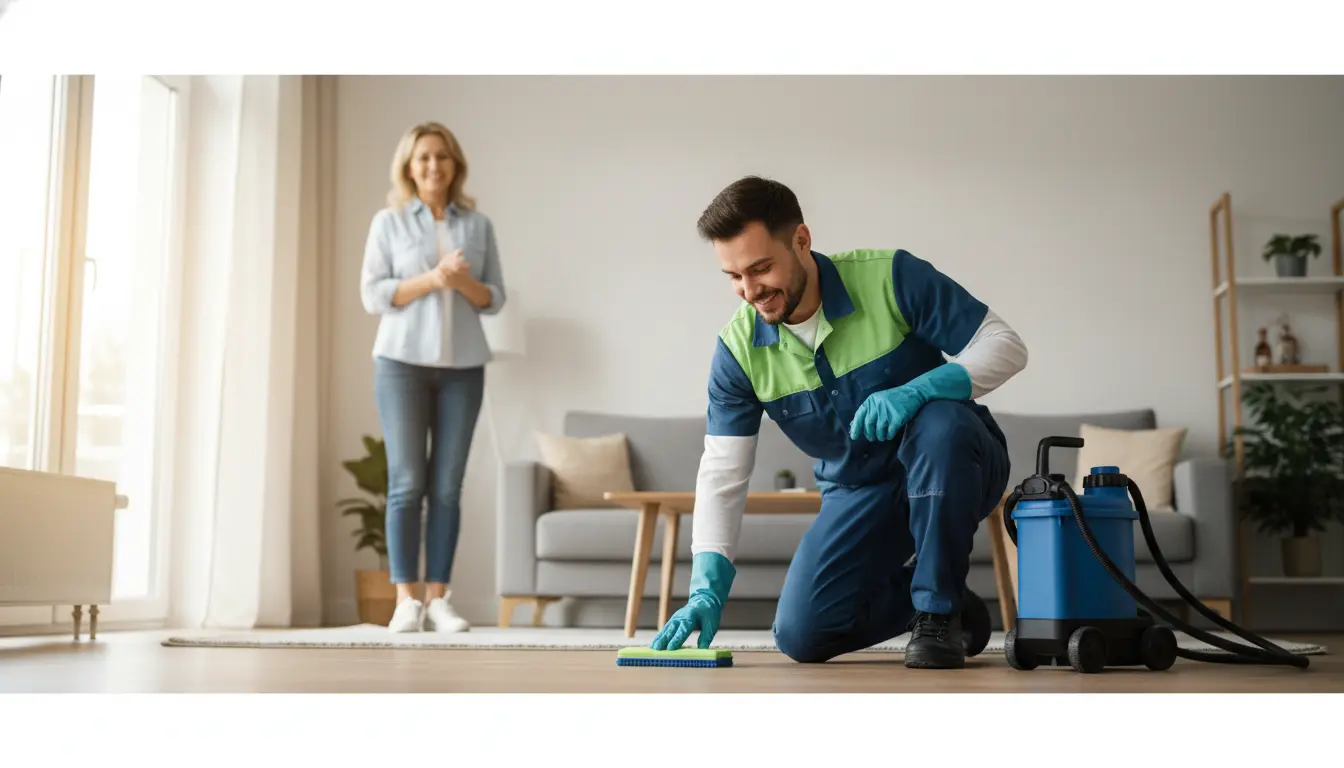
Contrary to popular belief, a biohazard incident in a rental property is not just a matter of cleaning up the visible mess. In fact, the risks associated with biohazards, such as infectious diseases and toxic substances, can linger long after the initial cleanup, posing a significant threat to the health and safety of occupants and neighboring communities. In Miami, FL, where the hot and humid climate accelerates biological decomposition and odor permeation, the importance of professional, legally compliant trauma cleanup cannot be overstated.
As a landlord, it is crucial to understand the critical nature of rapid response in high-humidity environments like Miami, where biohazards can quickly become a breeding ground for bacteria, viruses, and other microorganisms. This is where Miami Trauma Cleanup, the premier, authoritative, and compassionate service provider in the area, comes in – offering expertise in infectious disease control, biohazard remediation, and trauma cleanup to ensure that rental properties are restored to a safe and healthy condition.
The risks associated with biohazards are very real, and the consequences of inadequate cleanup can be severe. For instance, the statistics on trauma incidents and cleanup in Dade County are alarming, highlighting the need for prompt and effective action in the event of a biohazard incident. By prioritizing professional trauma cleanup, landlords can minimize the risks associated with biohazards, protect their investment, and ensure the well-being of their tenants.
Technical Process
The professional trauma cleanup workflow involves a series of critical steps, each designed to address the unique challenges posed by biohazards in high-humidity environments like Miami. The process begins with a thorough hazard assessment, which identifies potential risks and informs the development of a customized remediation protocol. This may involve the use of specialized equipment, such as ozone generators and hydroxyl machines, to neutralize odors and eliminate pathogens.
Next, the affected area is contained to prevent cross-contamination and limit the spread of biohazards. This is followed by the removal of biological materials, which may include blood, bodily fluids, and other potentially infectious substances. The area is then disinfected using hospital-grade disinfectants, and undergoes a rigorous cleaning and sanitizing process to eliminate any remaining pathogens.
Finally, the area is tested for clearance, using techniques such as ATP fluorescence testing to ensure that all biohazards have been eliminated. This meticulous approach to trauma cleanup is essential in high-humidity environments like Miami, where the risks associated with biohazards are amplified. For more information on the technical process of biohazard cleanup, visit our ultimate guide to biohazard cleanup in South Florida.
Data Comparison Table
The following table compares the key features of professional biohazard remediation and standard janitorial/DIY cleaning:
| Feature/Metric | Professional Remediation | Standard Cleaning |
|---|---|---|
| Pathogen Eradication | 99.99% effective | Unknown/Variable |
| Legal/OSHA Compliance | Guaranteed | Unknown/Variable |
| Sub-surface Penetration | Yes, using specialized equipment | No, limited to surface cleaning |
Source: OSHA Bloodborne Pathogen Standard 29 CFR 1910.1030
Expert Insights
As a Certified Senior Biohazard Remediation Expert, I have seen firsthand the importance of proper biohazard cleanup in preventing the spread of infectious diseases and protecting public health. One common mistake property owners make is using bleach on blood, which can actually amplify the risk of biohazard transmission. Instead, it is essential to use hospital-grade disinfectants and follow strict OSHA protocols to ensure effective biohazard remediation.
Another critical consideration is the use of enzymatic cleaners, which can break down biological materials and eliminate odors at the molecular level. This is particularly important in high-humidity environments like Miami, where biological decomposition can occur rapidly. For more information on the safe steps to take after an accident, visit our Miami trauma response guide.
Pricing
The cost of biohazard cleanup can vary depending on several factors, including the size of the affected area, the type and amount of biological materials present, and the level of contamination. The following are some of the key factors that influence the cost of biohazard cleanup:
- Hourly rates per technician, which can range from $100 to $300 per hour
- Biohazard waste disposal fees, which can range from $500 to $2,000 or more
- Costs associated with structural tear-outs, which can range from $1,000 to $10,000 or more
It is also important to note that homeowners insurance frequently covers the cost of biohazard cleanup, so it is essential to check with your insurance provider to determine the extent of your coverage. For more information on biohazard removal services, visit our biohazard removal services page.
Safety & Standards
At Miami Trauma Cleanup, we are committed to upholding the highest standards of safety and quality in our biohazard cleanup services. Our technicians are certified by the American Bio Recovery Association (ABRA) and follow strict OSHA protocols to ensure effective biohazard remediation. We also use EPA-registered, hospital-grade disinfectants to eliminate pathogens and prevent the spread of infectious diseases.
Our commitment to safety and quality is reflected in our use of specialized equipment, such as ozone generators and hydroxyl machines, to neutralize odors and eliminate pathogens. We also prioritize the use of personal protective equipment (PPE) to prevent cross-contamination and protect our technicians from biohazard exposure. For more information on our safety protocols, visit our about us page.
FAQ Section
What is the average cost of biohazard cleanup in Miami, FL?
The average cost of biohazard cleanup in Miami, FL can vary depending on several factors, including the size of the affected area, the type and amount of biological materials present, and the level of contamination. However, the cost can range from $1,000 to $10,000 or more, depending on the complexity of the cleanup.
How long does biohazard cleanup typically take?
The duration of biohazard cleanup can vary depending on the size of the affected area and the level of contamination. However, most biohazard cleanup projects can be completed within 24 to 48 hours, depending on the complexity of the cleanup.
Is biohazard cleanup covered by homeowners insurance?
Yes, biohazard cleanup is often covered by homeowners insurance, depending on the policy and the circumstances of the incident. It is essential to check with your insurance provider to determine the extent of your coverage.
What are the health risks associated with biohazards?
The health risks associated with biohazards are significant and can include the transmission of infectious diseases, such as HIV, hepatitis B and C, and other bloodborne pathogens. It is essential to prioritize proper biohazard cleanup and follow strict OSHA protocols to prevent the spread of infectious diseases.
Professional Trauma Cleanup in Miami, FL
In conclusion, the importance of professional trauma cleanup in Miami, FL cannot be overstated. By prioritizing safe, thorough biohazard remediation, landlords can minimize the risks associated with biohazards, protect their investment, and ensure the well-being of their tenants. At Miami Trauma Cleanup, we are committed to providing compassionate, authoritative, and reliable biohazard cleanup services to the Miami, FL community. For more information on our services, visit our website or contact us today.