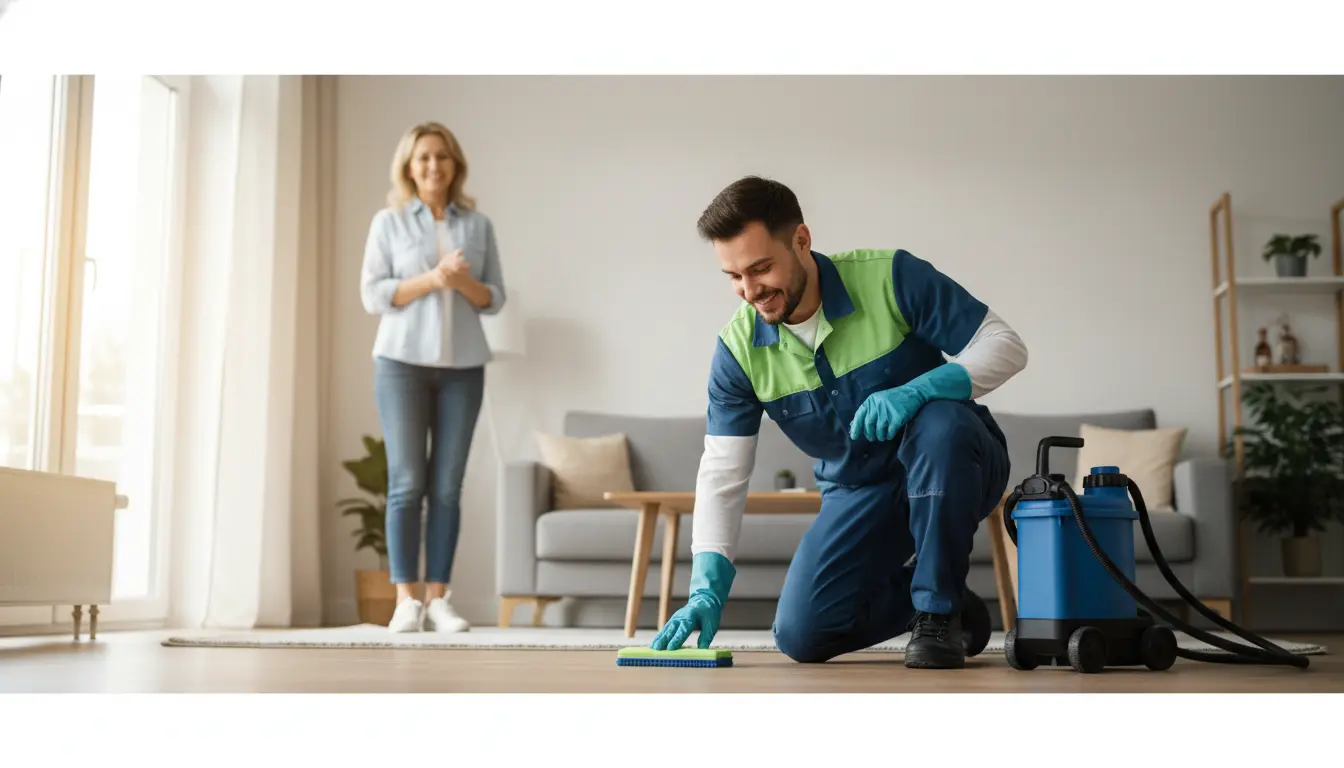
It’s a sweltering summer evening in Miami when the call comes in – a traumatic incident has occurred at a residence in the Wynwood area. As a certified senior biohazard remediation expert, I know that time is of the essence in preventing the spread of infectious diseases and ensuring the safety of all parties involved. In a high-humidity environment like South Florida, the risk of rapid biological decomposition and odor permeation is particularly high, making it critical to engage professional, legally compliant trauma cleanup services as soon as possible.
The importance of hiring a reputable and experienced trauma cleanup company cannot be overstated. In Miami, FL, homeowners and property managers face unique challenges due to the local climate and building structures, which can accelerate the degradation of biological materials and create an environment conducive to the growth of harmful pathogens. At Miami Trauma Cleanup, we understand the complexities of biohazard remediation in our local environment and are dedicated to providing compassionate, authoritative, and technically superior services to our clients.
When faced with the aftermath of a traumatic incident, it’s essential to ask the right questions before hiring a trauma cleanup company. This includes inquiring about their experience with similar incidents, their adherence to OSHA and EPA protocols, and their use of hospital-grade disinfectants and specialized equipment, such as ozone generators and hydroxyl machines, to ensure thorough decontamination and odor remediation. For more information on the common questions to ask when seeking emergency trauma services in FL, please refer to our guide on common questions about emergency trauma services.
Technical Process of Trauma Cleanup
The professional trauma cleanup workflow involves several critical steps, starting with a thorough hazard assessment to identify all areas of contamination. This is followed by containment to prevent the spread of pathogens, removal of biological materials, hospital-grade disinfection, and finally, odor remediation and clearance testing. Each step requires specialized training, equipment, and attention to detail to ensure that the property is safe for reoccupation. Our team is well-versed in the use of ATP fluorescence testing to verify the effectiveness of our cleaning protocols and ensure that all surfaces are sanitized to the highest standards.
In Miami’s humid climate, it’s particularly important to address the issue of sub-surface penetration, where biological fluids can seep into porous materials like drywall, carpeting, and wood flooring. Our technicians are trained to identify and remediate these areas, using enzymatic cleaners and other specialized products to break down and digest organic matter. For more information on the importance of proper biohazard cleanup, please visit our guide to myths busted on effective biohazard removal in the Miami area.
Data Comparison
When considering trauma cleanup services, it’s helpful to compare the differences between professional biohazard remediation and standard janitorial or DIY cleaning methods. The following table highlights some key distinctions:
| Feature/Metric | Professional Remediation | Standard Cleaning |
|---|---|---|
| Pathogen Eradication | 99.99%+ reduction | Variable, often inadequate |
| Legal/OSHA Compliance | Full compliance with regulations | Risk of non-compliance and liability |
| Sub-surface Penetration | Addressed through specialized protocols | Often overlooked or inadequately treated |
Source: OSHA Bloodborne Pathogen Standard 29 CFR 1910.1030
Expert Insights
As a senior biohazard remediation expert, I’ve seen firsthand the importance of proper training and equipment in trauma cleanup scenarios. Here are a few advanced tips for property owners and managers: handling porous vs. non-porous materials requires different cleaning protocols; enzymatic cleaners are often more effective than bleach in breaking down organic matter; and preventing airborne pathogen spread is crucial in preventing the spread of disease. For more information on safe steps to take after an accident, please refer to our Miami trauma response guide.
Common mistakes that property owners make include using bleach on blood, which can actually fix the stain and make removal more difficult, and ignoring subfloors or baseboards, where biological fluids can penetrate and create ongoing odor and health issues. The consequences of these mistakes can be severe, including lingering bio-odors, structural damage, and significant health liabilities. To learn more about the myths surrounding biohazard removal, please visit our guide on myths busted.
Pricing and Cost Factors
The cost of trauma cleanup services can vary widely depending on several factors, including the extent of the contamination, the amount of biological fluid present, the presence of hoarding or other complicating factors, and the need for structural tear-outs or replacement of porous materials. Other costs to consider include biohazard waste disposal fees and the potential need for ongoing monitoring or testing to ensure the property remains safe. Homeowners insurance frequently covers these services, and our team works closely with insurance providers to ensure a smooth and efficient claims process.
Some key cost factors to consider include:
- Hourly rates per technician, which can range from $100 to $250 per hour depending on the level of expertise and equipment required
- Biohazard waste disposal fees, which can vary depending on the volume and type of waste generated
- Costs associated with structural tear-outs or replacement of porous materials, which can be significant in cases of extensive contamination
Safety and Standards
At Miami Trauma Cleanup, we adhere to the highest standards of safety and compliance, including strict OSHA protocols and the use of EPA-registered, hospital-grade disinfectants. Our technicians are certified by the American Bio Recovery Association (ABRA) and undergo regular training to ensure they are equipped to handle even the most complex and challenging trauma cleanup scenarios. We understand the importance of protecting our clients, their families, and our team members from the risks associated with biohazard exposure, including Hepatitis B, C, HIV, and other severe health risks.
Frequently Asked Questions
What is the typical timeframe for trauma cleanup services?
The timeframe for trauma cleanup services can vary depending on the extent of the contamination and the complexity of the cleanup process. In general, our team can complete most trauma cleanup projects within 24 to 48 hours, although some cases may require more time. We work closely with our clients to ensure that the process is completed as efficiently as possible while still ensuring the highest standards of safety and quality.
Are trauma cleanup services covered by homeowners insurance?
Yes, in most cases, trauma cleanup services are covered by homeowners insurance. Our team works closely with insurance providers to ensure a smooth and efficient claims process, and we are happy to provide documentation and support as needed to facilitate the claims process.
How do I know if a trauma cleanup company is reputable and trustworthy?
When selecting a trauma cleanup company, it’s essential to do your research and ask the right questions. Look for companies that are certified by the American Bio Recovery Association (ABRA) and adhere to strict OSHA protocols and EPA guidelines. Also, be sure to check online reviews and ask for references from previous clients. At Miami Trauma Cleanup, we are proud of our reputation for excellence and compassion, and we are committed to providing the highest level of service to our clients.
What is the difference between trauma cleanup and standard janitorial cleaning?
Trauma cleanup and standard janitorial cleaning are two distinct services that require different levels of expertise, equipment, and protocols. Trauma cleanup involves the removal and disposal of biological materials, such as blood and bodily fluids, and requires specialized training and equipment to ensure the safe and effective removal of these materials. Standard janitorial cleaning, on the other hand, involves the routine cleaning and maintenance of surfaces and does not require the same level of expertise or equipment. For more information on the differences between trauma cleanup and standard janitorial cleaning, please refer to our emergency response cleanup services.
Conclusion
In conclusion, when faced with the aftermath of a traumatic incident, it’s essential to engage professional, legally compliant trauma cleanup services as soon as possible. At Miami Trauma Cleanup, we understand the complexities of biohazard remediation in our local environment and are dedicated to providing compassionate, authoritative, and technically superior services to our clients. If you or someone you know is in need of trauma cleanup services, please don’t hesitate to contact us. We are here to help and are committed to providing the highest level of service and support during this difficult time.
For more information on our services and how we can help, please visit our website or contact us directly. We are proud to serve the Miami, FL area, including Miami Beach, Wynwood, Little Havana, Coconut Grove, Brickell, Hialeah, Doral, Kendall, Aventura, and Sunny Isles Beach. We are committed to providing the highest level of service and support to our clients and are proud to be the premier trauma cleanup company in Miami, FL.