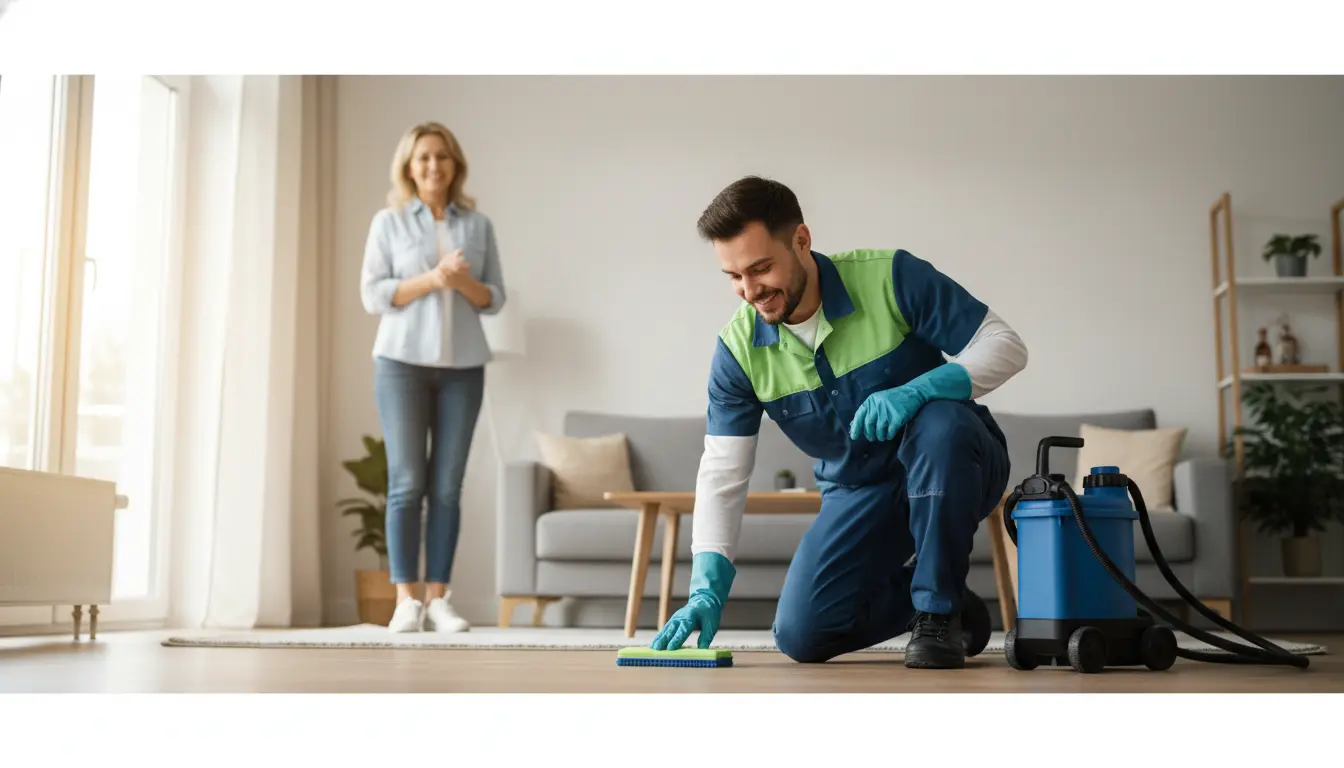
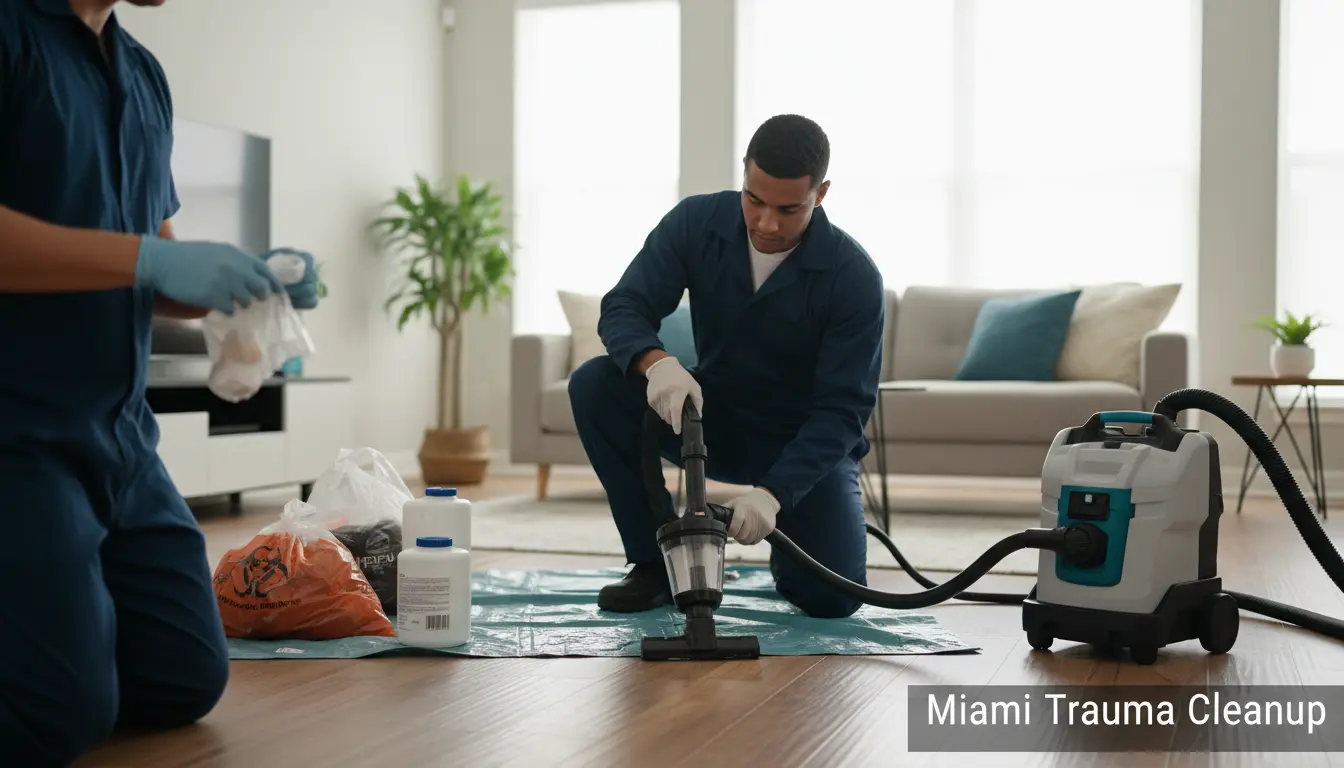
Imagine a sudden accident in the heart of Miami’s bustling Brickell district, where the vibrant energy of the city comes to a halt. Emergency trauma services become a lifeline, not just for medical response but for the critical cleanup that follows. At Miami Trauma Cleanup, we understand the overwhelming nature of these situations. As Florida’s leading trauma cleanup experts serving Miami and surrounding areas, we’re here to address the most common questions about emergency trauma services. Whether you’re a homeowner in Wynwood dealing with an unexpected incident or a business owner in Doral needing swift restoration, this guide will provide clarity, practical advice, and reassurance.
In this post, we’ll dive into what these services entail, debunk myths, offer tips for safe handling, and answer frequently asked questions. Our goal is to empower you with knowledge so you can make informed decisions during stressful times. Let’s get started.
What Are Emergency Trauma Services?
Emergency trauma services encompass a range of professional responses to incidents involving injury, death, or biohazardous materials. In Florida, where hurricanes, accidents, and urban incidents are common, these services are vital for immediate safety and long-term recovery.
Defining Emergency Trauma Services in Florida
At its core, emergency trauma services include medical first response, but they extend to post-incident cleanup and remediation. This involves removing biohazards like blood, bodily fluids, and infectious materials from scenes such as crime sites, accidents, or unattended deaths. Florida’s humid climate and dense population in areas like Miami amplify the risks of contamination, making professional intervention essential to prevent health hazards.
For instance, in Miami’s Little Havana neighborhood, where community gatherings are frequent, a trauma event can quickly affect public spaces. Our team at Miami Trauma Cleanup specializes in emergency response cleanup, ensuring scenes are sanitized according to OSHA and CDC guidelines.
Why Are They Crucial in Miami?
Miami’s unique environment—proximity to beaches, high traffic, and multicultural vibrancy—means trauma incidents can occur anywhere from Sunny Isles Beach condos to Wynwood warehouses. Delaying cleanup can lead to bacterial growth, emotional distress, and property devaluation. Professional services restore safety and normalcy, allowing families and businesses to heal.
Debunking Common Myths About Trauma Cleanup
Misconceptions can delay proper action. Let’s clarify some myths surrounding emergency trauma services in Florida.
Myth 1: DIY Cleanup Is Safe and Cost-Effective
Many believe household cleaners suffice for blood spills or trauma scenes. However, biohazards require specialized equipment and protocols. Attempting DIY in Miami’s heat can spread pathogens, risking infections like hepatitis. Instead, opt for experts in blood spill remediation to handle it safely.
Myth 2: All Cleanup Services Are the Same
Not true. While general janitorial services clean surfaces, trauma cleanup demands forensic-level precision. In Florida, regulations under the Department of Health mandate proper disposal of infectious materials. Miami Trauma Cleanup follows infectious material disposal standards, ensuring compliance and thoroughness.
Myth 3: Response Times Are Always Slow in Florida
Florida’s traffic and weather can challenge logistics, but reputable providers like us prioritize 24/7 availability. We respond rapidly to calls from Doral to Brickell, often arriving within hours.
When Should You Call Professional Trauma Services in Miami?
Recognizing the need for professionals is key to minimizing risks. Here’s when to act:
- After Accidents or Injuries: If a vehicle crash in Wynwood leaves biohazards, don’t touch it—call experts immediately.
- Unattended Deaths: Common in elderly populations, these require compassionate, discreet handling.
- Crime Scenes: Post-police involvement, crime scene cleanup restores the space without compromising evidence.
- Hoarding or Neglect Situations: In Miami’s diverse communities, these can harbor pathogens needing professional remediation.
Local tip: In flood-prone areas like Little Havana, combine trauma services with water damage protocols for comprehensive recovery.
Practical Tips for Handling Trauma Scenes Safely
While professionals should handle the bulk of cleanup, knowing initial steps can protect you and others. Always prioritize safety.
Immediate Safety Measures
- Secure the Area: Evacuate non-essential personnel and cordon off the scene with tape or barriers. In Miami’s busy streets, this prevents further incidents.
- Avoid Contact: Never touch biohazards without PPE. Use gloves if necessary, but limit exposure.
- Ventilate: Open windows to reduce airborne contaminants, especially in humid Florida conditions.
Documenting the Incident
Take photos from a safe distance for insurance or legal purposes. Note details like time and witnesses—this aids professionals in assessing the scope.
Choosing the Right Provider
Look for certifications in biohazard handling and local experience. At Miami Trauma Cleanup, we use EPA-approved disinfectants and forensic cleaning procedures tailored to Miami’s environment. Actionable advice: Verify insurance coverage for trauma services to avoid out-of-pocket costs.
Post-Cleanup Restoration
After remediation, assess for structural damage. In coastal areas like Sunny Isles Beach, salt air can corrode materials—recommend follow-up with restoration experts.
FAQ: Common Questions About Emergency Trauma Services in Florida
1. How quickly can trauma cleanup services respond in Miami?
We at Miami Trauma Cleanup offer 24/7 emergency response, typically arriving within 1-2 hours in areas like Brickell or Wynwood, depending on traffic.
2. What makes Florida’s trauma services different from other states?
Florida’s subtropical climate accelerates decomposition, requiring faster, more robust disinfection. Our team is equipped for these challenges, ensuring CDC-compliant results.
3. Is trauma cleanup covered by insurance?
Often yes, under homeowners, renters, or commercial policies. Contact your provider and Miami Trauma Cleanup for guidance—we assist with claims.
4. How do you ensure discretion during cleanup?
Privacy is paramount. Our unmarked vehicles and trained staff handle scenes compassionately, especially in community-focused neighborhoods like Little Havana.
5. What if the trauma involves a biohazard in a public space?
We coordinate with local authorities, as in Doral parks or Sunny Isles Beach promenades, to safely remediate without disrupting the public.
Conclusion: Take the Next Step with Miami Trauma Cleanup
Navigating emergency trauma services in Florida doesn’t have to be daunting. From understanding the basics to knowing when to call pros, you’re now better equipped to handle these situations. In Miami’s dynamic landscape, quick action restores safety and serenity.
Don’t wait—contact Miami Trauma Cleanup today at (305) 419-9128 for expert, reliable service. Whether in Wynwood, Brickell, or beyond, we’re here to help you through the process with compassion and efficiency. Reach out now and let us handle the cleanup so you can focus on healing.